Remember the old adage, “Practice makes perfect.” Actually, I’m not a big fan of this statement, instead I would like to change it to: “Practice makes me better and more practice make me even better.” Okay, it’s not as catchy but it is more real. Perfection really isn’t the goal, excellence is!
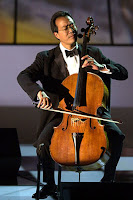 Everything we do takes practice for us to improve. When we first learned to walk, ride a bicycle and even learn to read, it took practice to become proficient. Artists and athletes know this to be true. How much does Yo Yo Ma practice? Think of all the practice it takes to get to the Olympics. I remember Jerry Seinfeld’s 2002 documentary “Comedian” where he shows the amount of preparation and rehearsal that goes into creating a head-liner stand-up routine. The film accounts for all the efforts, including the mistakes and bombs, in developing a completely new act from scratch. It’s not easy and it takes a lot of practice to become good at unfamiliar skills, tasks and behaviors. Seinfeld took about a year to get his act down pat.
 It’s not easy, it’s hard, so you’re going to have to work hard... to learn what you need to do to move to the next level. If you’re between jobs or looking to move up in your career, there are a lot of tools you have to develop and become proficient at. For some people saying hi and smiling at strangers is a new behavior. For others, introductions, elevator speeches, scheduling networking meetings and what to say in those meeting are all new and unfamiliar.
I find that when I’m not familiar with a new skill, I make mistakes, fail and sometimes embarrass myself. It’s painful to say the least... however, I’ve never died from making a mistake. For those of you who have to learn new skills, software programs like Microsoft Office, effective business writing, or presentation skills you’re going to meet a lot of frustration in the process of mastery. People will give you feedback that you won’t like hearing. You may even want to quit and give up...
 When you hear yourself say something along the lines of: “This is stupid, I’ll never get this.” or “Who am I kidding, this is impossible.” You need to take a big deep breath and say to yourself, “Time to practice, if it’s going to be, it’s up to me. I can do it; this is new and I need more practice, that’s all.”
 Everything we do takes practice for us to improve. When we first learned to walk, ride a bicycle and even learn to read, it took practice to become proficient. Artists and athletes know this to be true. How much does Yo Yo Ma practice? Think of all the practice it takes to get to the Olympics. I remember Jerry Seinfeld’s 2002 documentary “Comedian” where he shows the amount of preparation and rehearsal that goes into creating a head-liner stand-up routine. The film accounts for all the efforts, including the mistakes and bombs, in developing a completely new act from scratch. It’s not easy and it takes a lot of practice to become good at unfamiliar skills, tasks and behaviors. Seinfeld took about a year to get his act down pat.
 It’s not easy, it’s hard, so you’re going to have to work hard... to learn what you need to do to move to the next level. If you’re between jobs or looking to move up in your career, there are a lot of tools you have to develop and become proficient at. For some people saying hi and smiling at strangers is a new behavior. For others, introductions, elevator speeches, scheduling networking meetings and what to say in those meeting are all new and unfamiliar.
 I find that when I’m not familiar with a new skill, I make mistakes, fail and sometimes embarrass myself. It’s painful to say the least... however, I’ve never died from making a mistake. For those of you who have to learn new skills, software programs like Microsoft Office, effective business writing, or presentation skills you’re going to meet a lot of frustration in the process of mastery. People will give you feedback that you won’t like hearing. You may even want to quit and give up...
 When you hear yourself say something along the lines of: “This is stupid, I’ll never get this.” or “Who am I kidding, this is impossible.” You need to take a big deep breath and say to yourself, “Time to practice, if it’s going to be, it’s up to me. I can do it; this is new and I need more practice, that’s all.”


